 .pdf
.pdf
Urban-Scale Meshing for City Energy Simulation
From urban data to multi-level watertight meshes, ready for building energy simulation at city scale and beyond.
Identity Card
Authors
Christophe Prud’homme (Unistra–Cemosis)
Vincent Chabannes (Unistra–Cemosis)
Javier Cladellas (Unistra–Cemosis)
Pierre Alliez (INRIA Sophia Antipolis) + Geometry Factory
Collaboration
CoE HiDALGO2
ExaMA/NumPEx (UNISTRA, INRIA-CA)
Ktirio & CGAL projects
Date: September 2025
Context and Objective
Urban energy, wind, and heat modeling requires closed and coherent geometries, while input data (buildings, roads, terrain, hydrology, vegetation) are heterogeneous and often non-watertight.
Objective: Reconstruct watertight urban meshes at LoD-0/1, interoperable and enriched with physical model attributes for simulation.
Key Result and Innovation
Development of a complete GIS → Mesh processing pipeline:
Pipeline Components
Ingestion: Mapbox data integration
Robust Operations: Ktirio-Geom with CGAL
Boolean Operations: Multi-layer processing
Topological Control: Closure verification
Performance Gains
Multi-km² scenes → closed LoD-1/2 solids
Buildings, roads, terrain, rivers, vegetation, roofs
Preparation: weeks → minutes
Numerical stability improvements
Outputs compatible with: Urban Building Model (Ktirio-UBM) and energy/CFD solvers.
Grenoble City Reconstruction
Reconstruction of the city of Grenoble over a 10 km radius with roads, rivers, water bodies, buildings with roofs, and topography — with a single click.
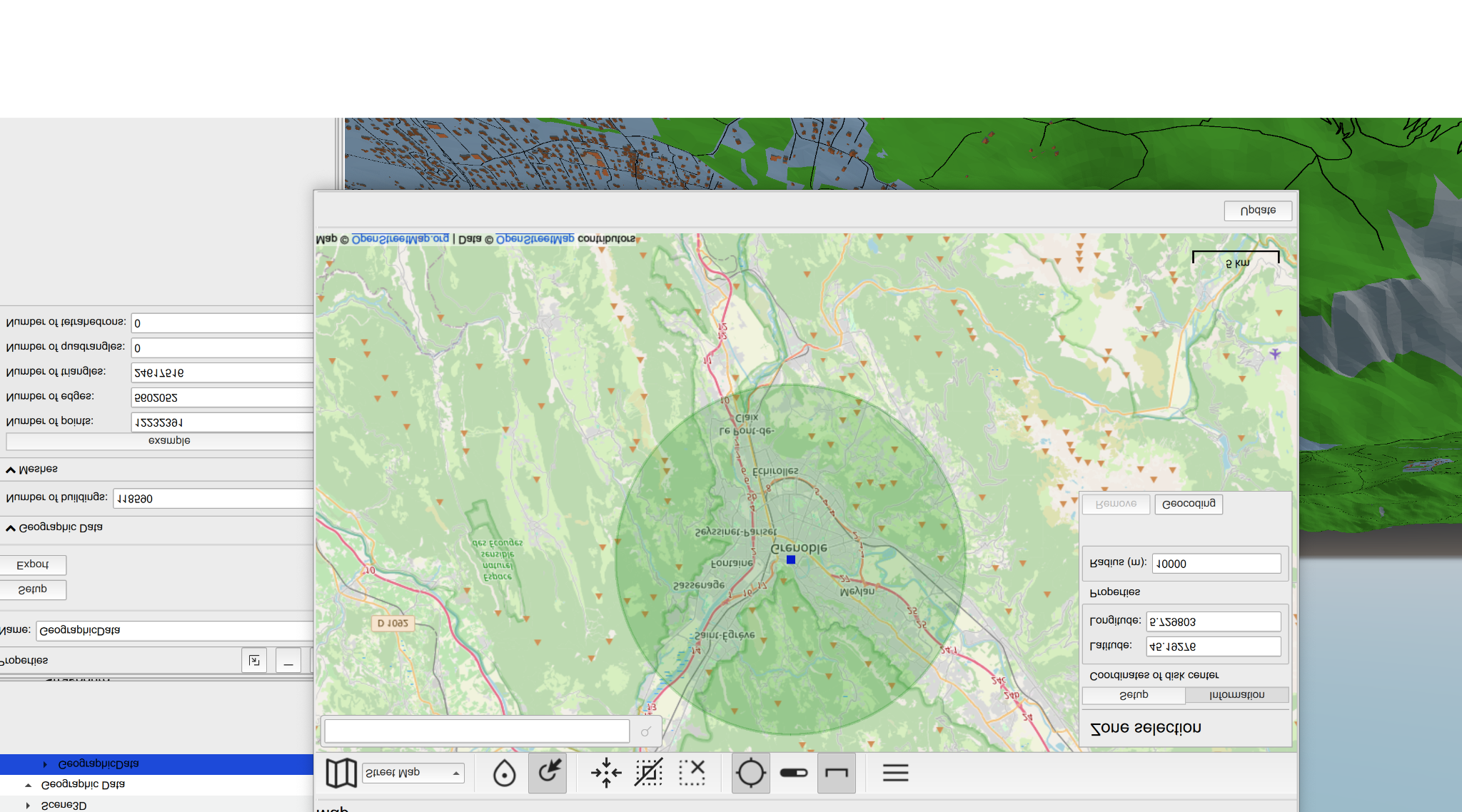 Figure 1. Ktirio application interface for urban data selection
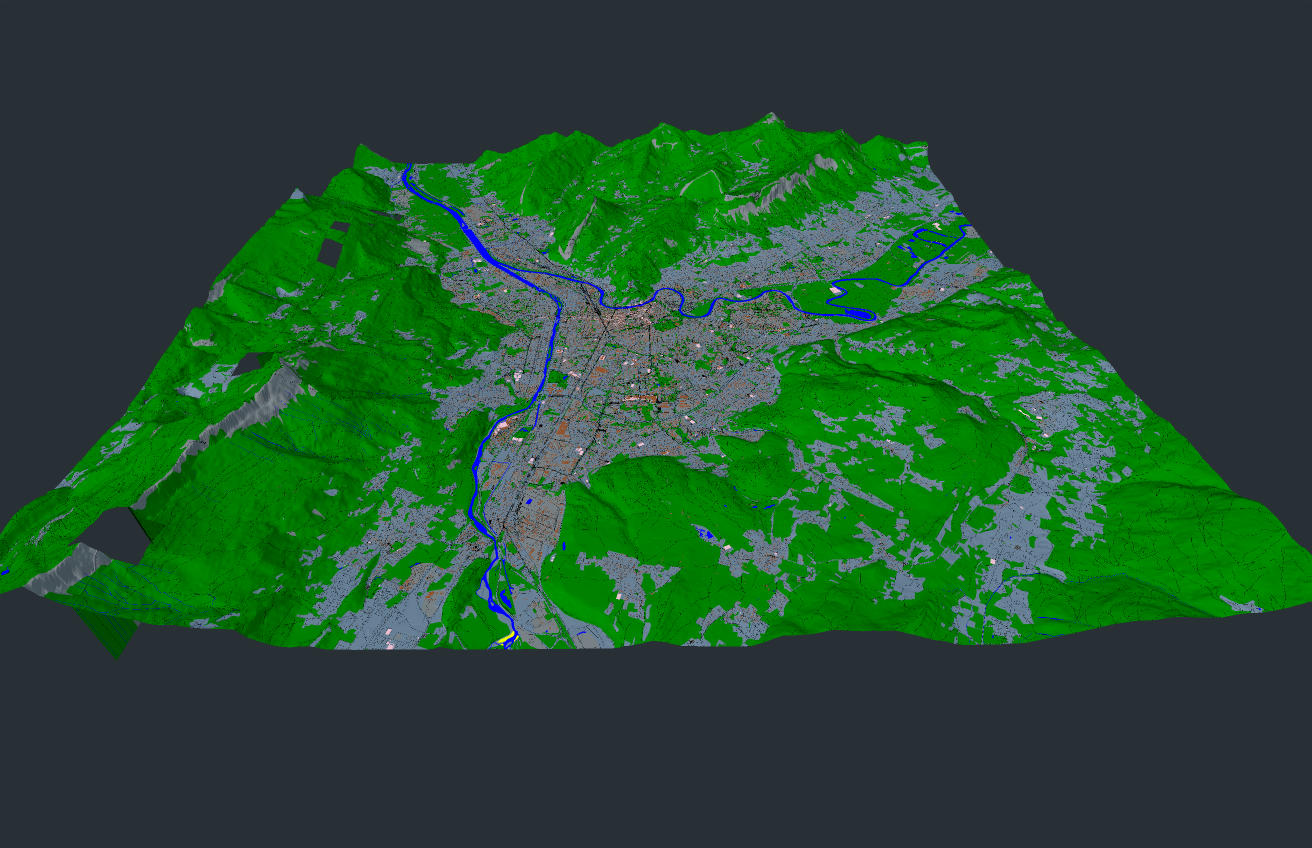 Figure 2. Bird’s eye view of Grenoble 10km mesh
 Figure 3. City center with buildings, roads and vegetation
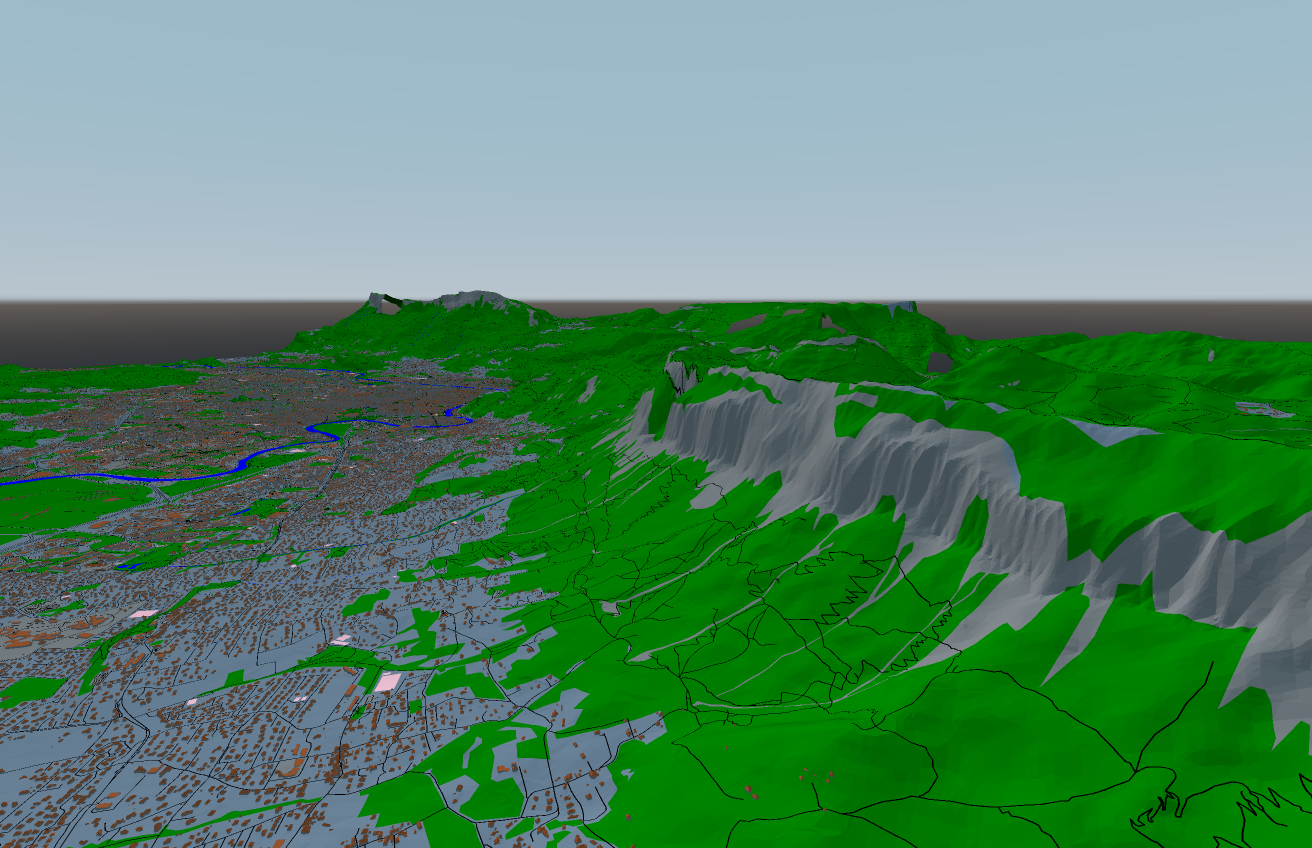 Figure 4. Mountain terrain with urban area
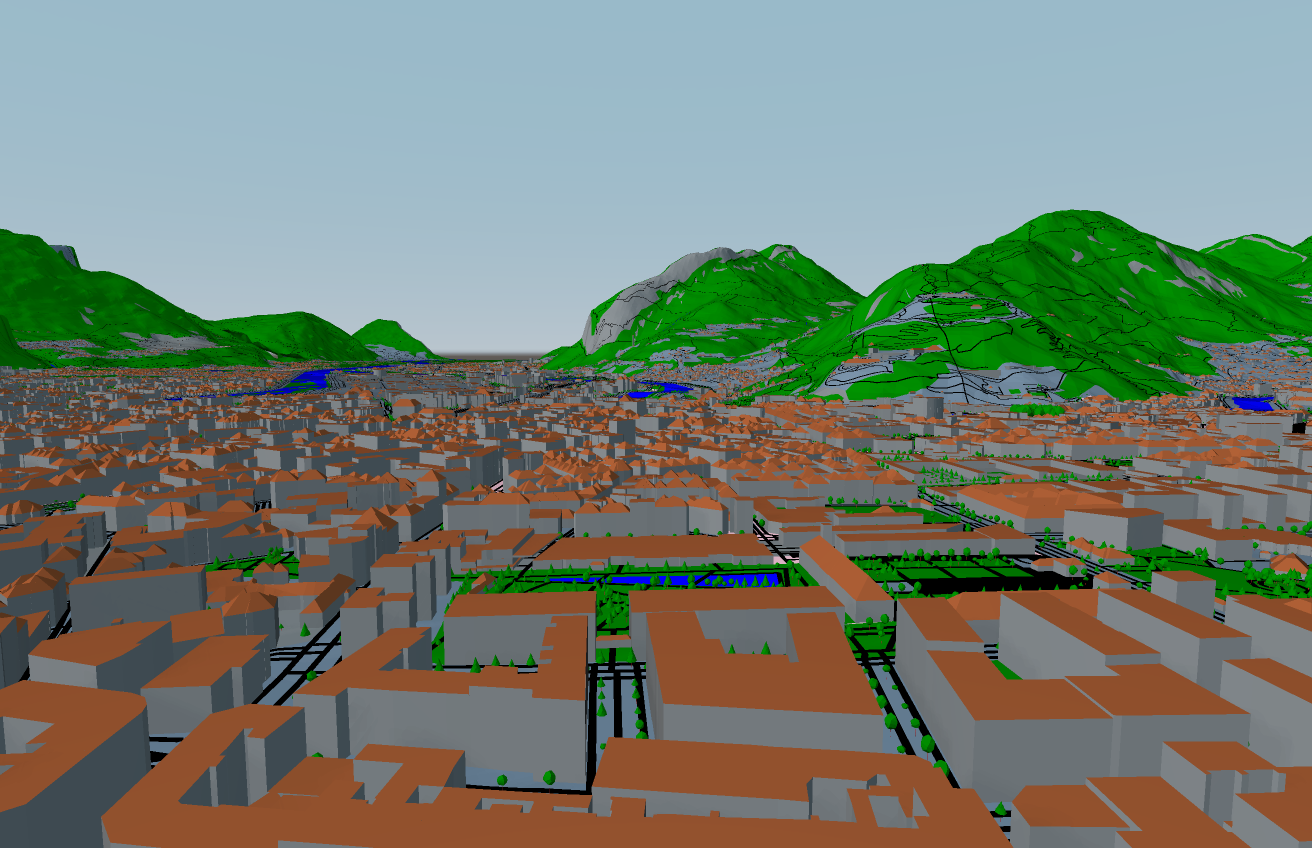 Figure 5. Detailed view: buildings and infrastructure
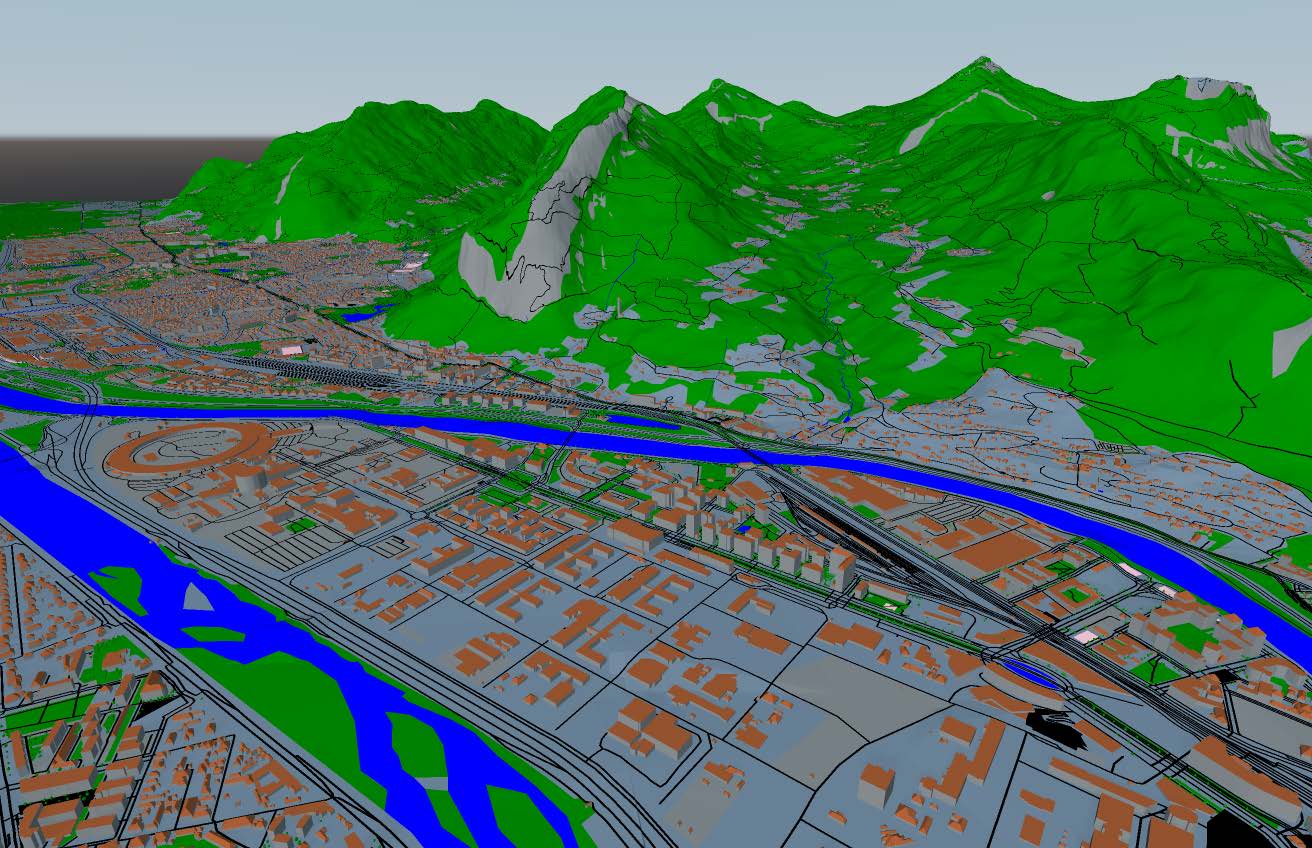 Figure 6. Close-up: river and urban structures
Construction of a watertight (conformal) mesh ready for HPC (EuroHPC) for building energy simulation.
Impact and Next Steps
Current Impact
Quick access to urban use cases faithful to energy/microclimate modeling
Dataset sharing in CoE HiDALGO2 ecosystem
Tools for urban heat island analysis
Next Steps
Publication of reference datasets (watertight + scripts) via CKAN
CFD & energy simulation coupling
Extended urban heat island studies
Valorization
Demonstrations
CoE HiDALGO2 Review Demo (September 18, 2025)
Clustering Event at HLRS Stuttgart (November 4, 2025) — Presented
Deployment
Cloud deployment of graphical application (coming soon)
Valorization via SATT Conectus
Related Work Packages
Discretization — Mesh quality and adaptivity |
|
Showroom & Benchmarking — Software deployment and integration |